Homework without the hassle: building study habits kids own
October 8, 2026 · 6 min read
From the after-school slump to the Sunday-night panic, here's how to set up homework routines that build independence instead of arguments.
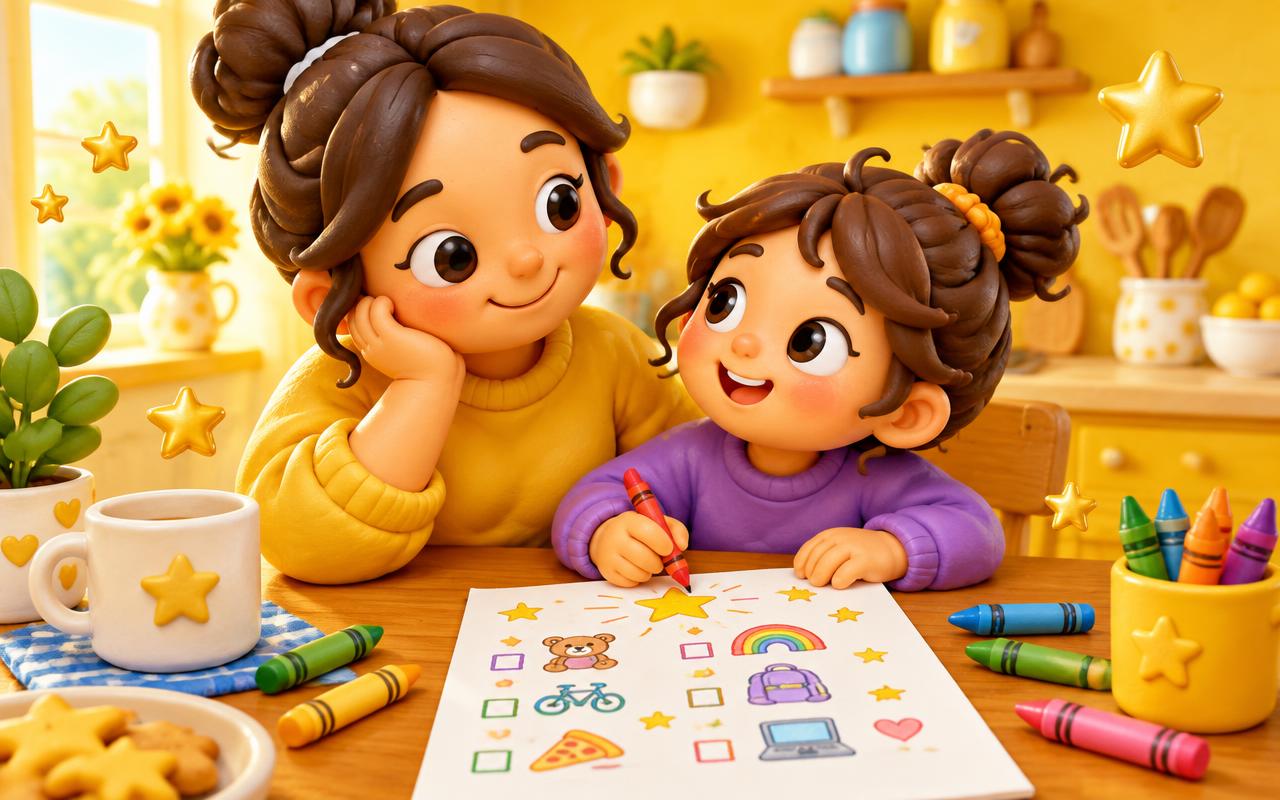
By October, the school-year honeymoon is officially over. Worksheets pile up, reading logs go missing, and the question "Do you have homework?" gets answered with a shrug that could mean anything. If homework has become the nightly battleground in your house, you are in very good company.
The goal of homework at the elementary level is rarely the worksheet itself. It's the habit: sitting down, starting without a fight, sticking with something hard, and finishing. Those are exactly the skills we can help kids build — and once they do, the arguments shrink.
Find the right time, then protect it
Some kids need a snack and thirty minutes of play before they can focus. Others work best right after school, before their energy dips. Experiment for a week and notice when your child starts most easily. Then make that time predictable. A consistent homework time removes the daily negotiation entirely.
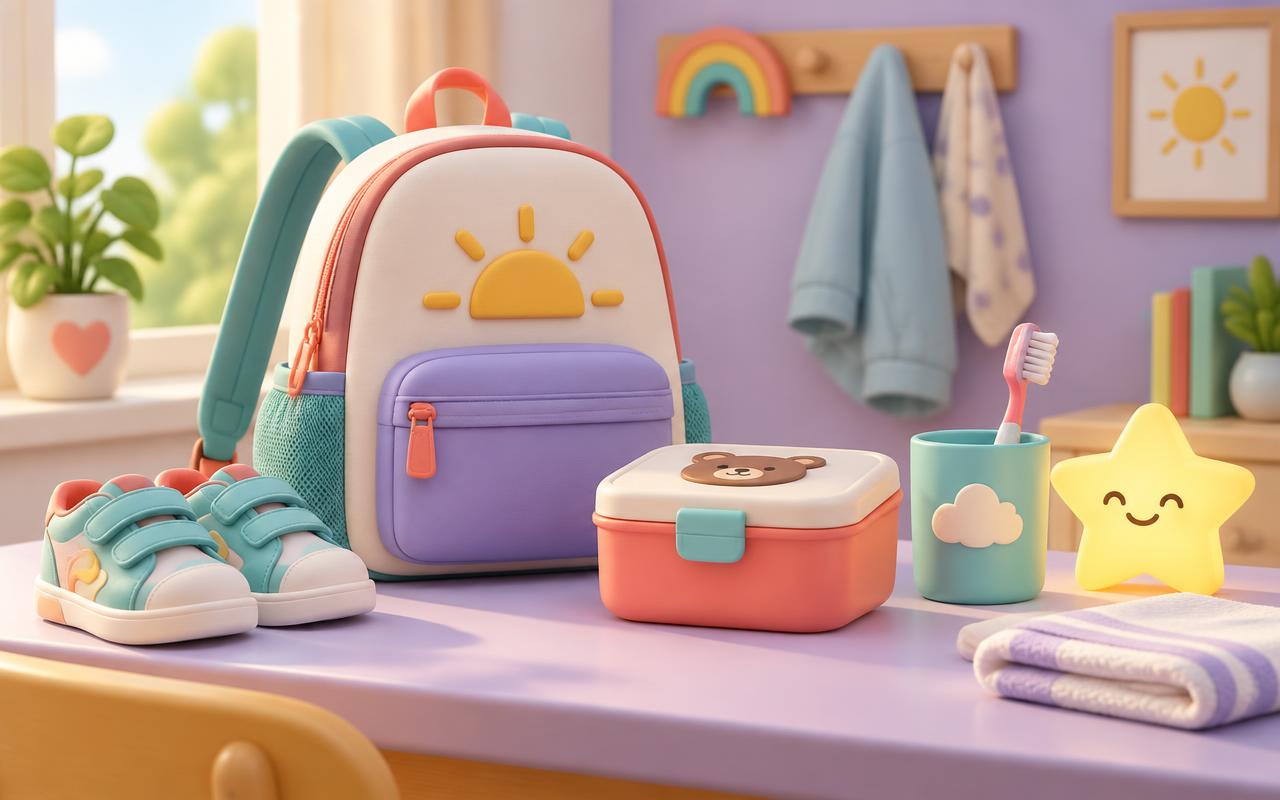
Set up a homework spot
- A consistent place — kitchen table, small desk or corner — that signals "work time."
- Supplies within reach: pencils, eraser, crayons, a timer.
- Screens and toys out of sight (out of sight really is out of mind).
- A parent nearby but not hovering, especially for younger kids.
Break it into bite-sized pieces
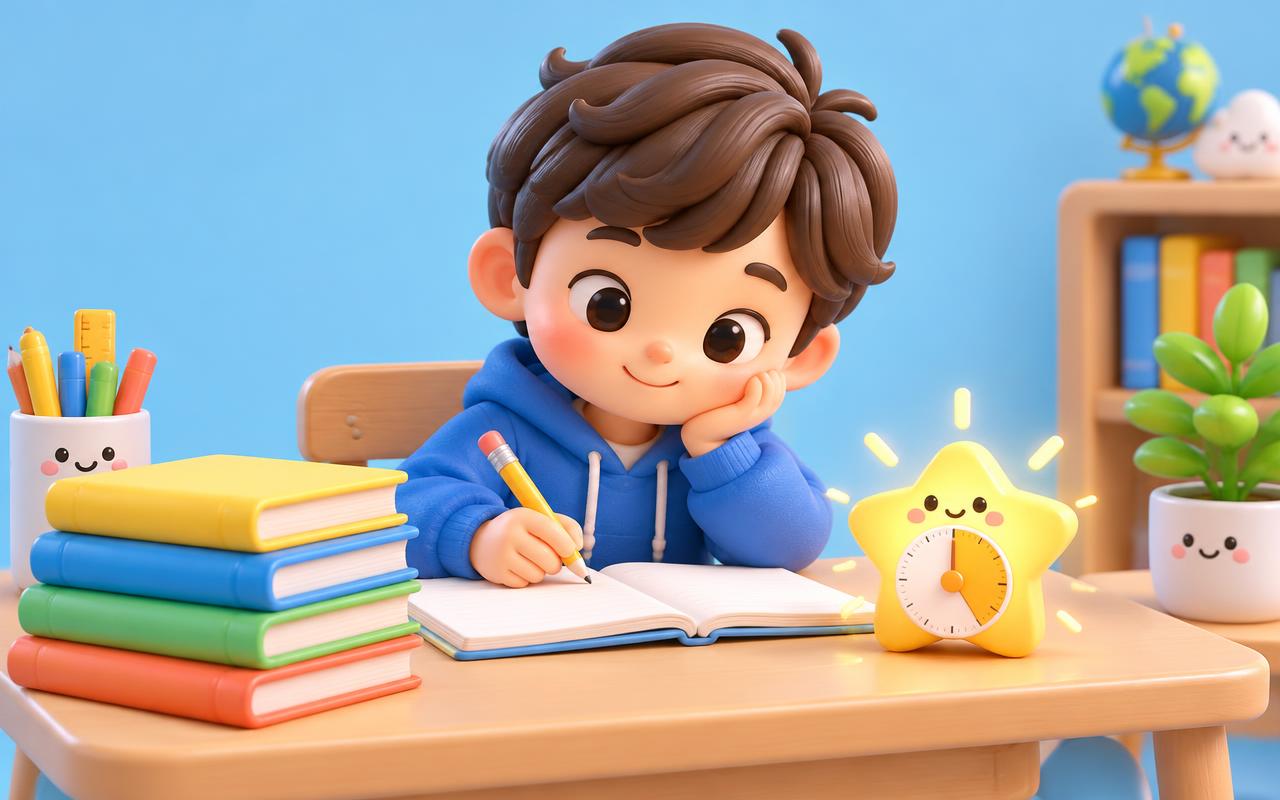
A full page of math can feel enormous to an eight-year-old. Break it down: five problems, a quick stretch, five more. A visual timer helps kids see that the work has an end. Many families use a simple rhythm of 15 minutes on, 3 minutes off for younger kids, stretching longer as they grow.
Help without taking over
It's tempting to jump in when a child is stuck, especially when it's late and everyone is tired. But the struggle is where the learning lives. Try asking questions instead of giving answers: "What did your teacher show you?" "What's the first step?" "Where could you look?" If they're truly stuck after a real effort, it's okay to write a note to the teacher. That's information the teacher needs.
For older kids, shift your role from helper to coach. Check their planner together on Sunday, help them break a big project into daily steps, then step back. Ownership grows when kids are trusted with it.
When homework triggers big feelings
Tears over spelling words usually aren't about spelling. They're about feeling tired, frustrated or not good enough. Name the feeling, take a short break, and come back. If homework consistently takes far longer than expected or always ends in tears, talk with the teacher. Sometimes the work isn't the right fit, and that's worth knowing.
Homework is practice for the work, but it's also practice for the feeling of doing something hard.
Celebrate effort out loud
Praise the process: "You kept trying on that tricky problem," or "You started all by yourself today." Effort-focused praise helps kids believe that getting better is possible, which makes them more willing to try next time. Grades will come and go; the belief that effort matters lasts much longer.
A simple weekly rhythm
- Sunday: look at the week's assignments together and spot any big projects.
- Monday–Thursday: same time, same spot, small chunks.
- Friday: homework-free celebration of the week's effort.
Homework doesn't have to be the worst part of the day. With a steady time, a calm spot, and a focus on effort, kids slowly take the wheel. And watching your child sit down and start on their own, without a single reminder, is one of those small parenting wins worth savoring.